We see patients arrive at Revitalise after difficult experiences at other clinics. Inadequate consultations. Complications managed without clinical oversight. In some cases, treatments carried out without a prescriber involved at all.
Those conversations shaped how we think about accreditation.
The UK aesthetics industry is largely unregulated. That is not scaremongering — it is a fact. Anyone can legally offer many aesthetic treatments with minimal training and no independent oversight. The industry has grown significantly faster than the frameworks designed to govern it.
Save Face is a Professional Standards Authority accredited register, recognised by the Government, the Department of Health and NHS England. It is the most rigorous independent standard available in UK non-surgical aesthetics. We pursued it because we believe our patients deserve that level of independent verification.
This is what it actually involved.
Why We Pursued It
There was no single moment. It was cumulative.
As medical professionals, we had already built Revitalise Aesthetics around evidence-based practice, clinical governance and patient safety. Those weren't add-ons — they were the foundation. But we became increasingly aware of a problem that goes beyond our own clinic: patients simply cannot tell, from the outside, which providers meet rigorous clinical standards and which do not.
The aesthetics market is crowded and largely unverified. Credentials are hard to check. Marketing often substitutes for governance. A beautifully designed Instagram page tells you nothing about a clinic's emergency protocols, prescribing pathways or consent processes.
Save Face accreditation was a way of making our standards visible and independently verified — not self-reported, not implied by our marketing, but assessed and confirmed by an external body with no commercial interest in the outcome.
We also welcomed the scrutiny. As NHS doctors, we are used to operating within robust clinical governance frameworks. The idea of an independent body reviewing our systems, challenging our processes and holding us to account is not uncomfortable to us — it is how medicine should work. Aesthetic medicine should be no different.
What the Assessment Actually Involved
People often assume an accreditation assessment is a clinical walkthrough. Someone checks the cleanliness of the treatment room, verifies qualifications, ticks some boxes and leaves.
Save Face is not that.
In practice, it felt far more like a full clinical governance audit. Every aspect of the patient journey and clinic operation was reviewed — from the moment a patient enquires, through consultation, prescribing, treatment, aftercare, complication management, record-keeping and ongoing safety procedures.
The areas that stood out most were the ones patients rarely see but which are absolutely critical to safe practice. The assessor reviewed our emergency preparedness in significant detail: emergency medicines, expiry dates, protocols for managing vascular occlusion and anaphylaxis, staff knowledge and escalation procedures. Infection control standards, sharps handling, consent documentation and prescribing pathways were all examined closely.
"True patient safety comes from the systems, governance, ethics and clinical standards behind every treatment — not just what happens in the treatment room."
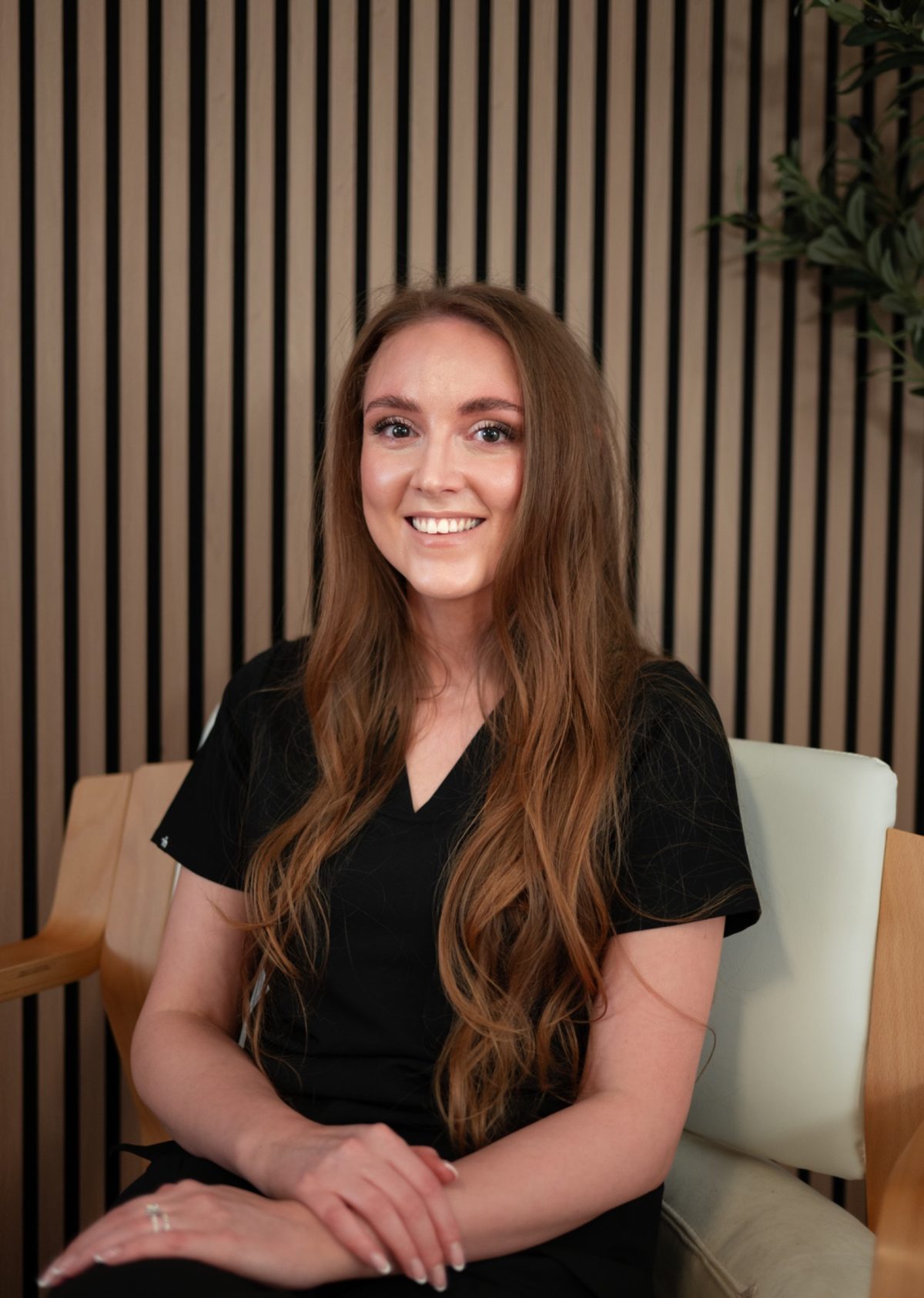
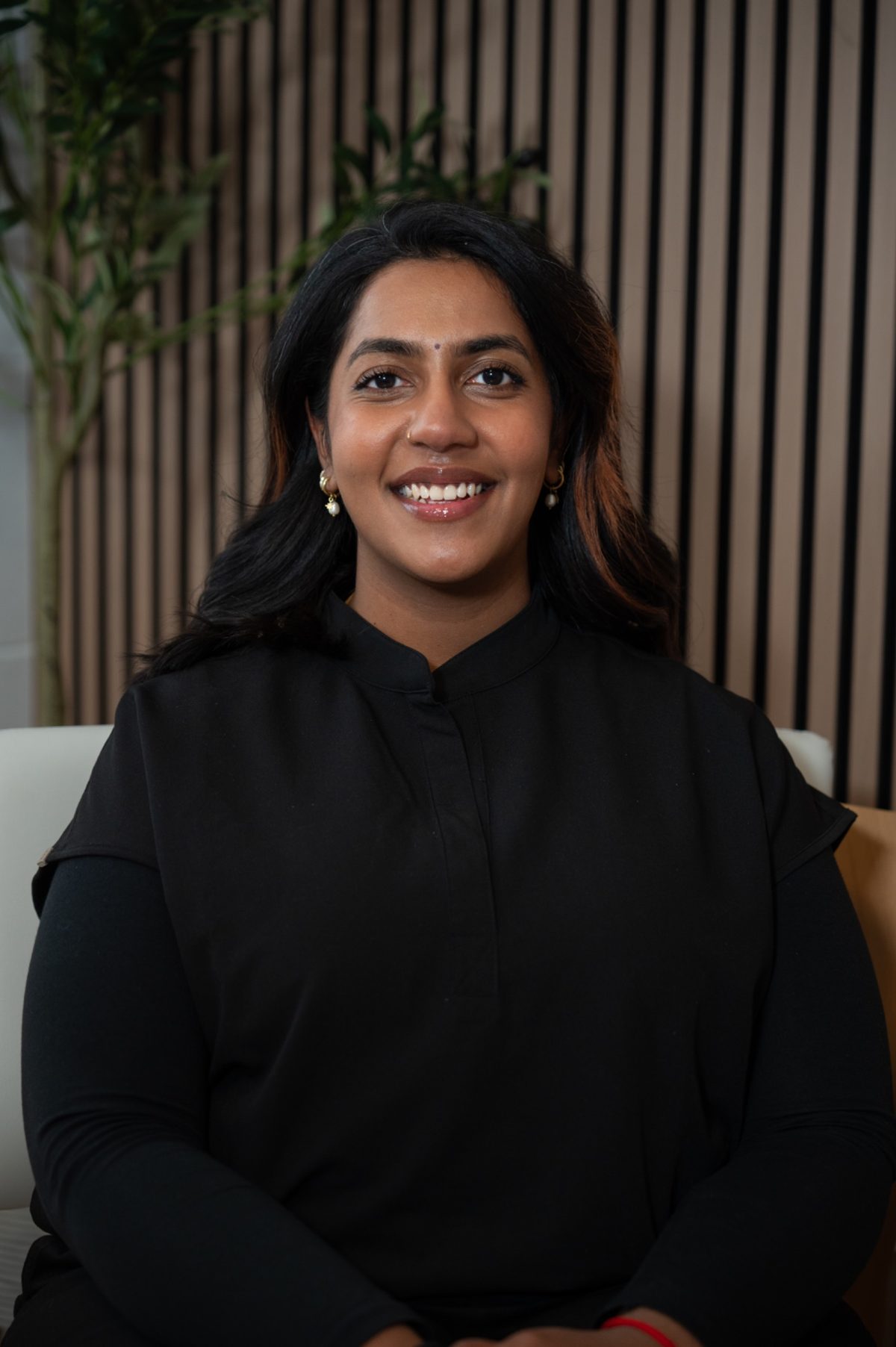
— Dr Amy & Dr Misha, Revitalise AestheticsWhat genuinely surprised us was the breadth of the governance review. It wasn't only about clinical skill or qualifications. It covered systems, accountability, documentation standards and ethical decision-making across the whole business. Complaint handling procedures, data protection processes and — notably — the wording used in patient communications were all examined carefully.
That last point is worth pausing on. Save Face didn't only assess what happens in the treatment room. They assessed everything surrounding it.
We respected that the assessment wasn't designed to catch clinics out. It was designed to ensure that clinics are genuinely operating at the highest standards, consistently and safely. For medically trained practitioners, that level of accountability is exactly what we believe aesthetic medicine should require.
What We Had to Formalise
The biggest change wasn't learning to practise safely. Patient safety was already second nature to us as A&E doctors — it doesn't switch off when you leave an emergency department.
What the process required was making every existing system explicit and formally documented. Written protocols. Equipment logs. Governance procedures. Audit trails. Documented emergency processes with clearly named responsibilities.
We had always operated this way in practice. The accreditation process required us to demonstrate it unambiguously — not just that we do things safely, but that we can show exactly how and why we do them, in a format that can be audited and reviewed.
In some ways, that was the most valuable part of the process. It pushed us to make every system in the clinic as structured and transparent as the clinical care itself.
What this means for patients: When you book at Revitalise, every aspect of your experience — from the consultation structure to consent documentation to aftercare — follows a formally defined and independently verified process. Nothing is left to informal variation or individual judgement on the day.
The Three Pillars: What Each Involved
The Save Face assessment covers three distinct areas. All three must pass. There is no partial accreditation.
The Practitioner
Each practitioner is assessed individually, not just the clinic as an entity. For each doctor listed on our Save Face profile, the assessment verified full GMC registration, appropriate training for each specific treatment we deliver, valid insurance covering all listed procedures and evidence of ongoing CPD. Prescribing authority was also assessed — Save Face verifies that prescription-only medicines are prescribed within a proper clinical framework, not informally or without oversight.
The Products
Every product and piece of equipment we use was verified as safe, effective, genuine and sourced from licensed suppliers. This is more significant than it sounds. Grey-market aesthetics products — including counterfeit dermal fillers — are a real and documented problem in the UK industry. Save Face verification means patients at our clinic will never unknowingly receive a product that has not been properly sourced, tested and licensed.
The Environment
This is where Save Face distinguishes itself most clearly from paper-based accreditations. A Save Face nurse assessor visited our Castle Street clinic and physically inspected it — reviewing the clinical environment, safety and hygiene standards, emergency equipment, consent processes and record-keeping in person. This is not something that can be faked with a form submission.
Of the three pillars, the practitioner governance section was the most demanding for us — not because the clinical standards were unfamiliar, but because everything needed to be explicitly evidenced. Not assumed. Not implied by our NHS background. Demonstrably documented, auditable and verifiable.
Our NHS A&E Background and Why It Matters Here
Both of us work in NHS emergency medicine alongside running Revitalise. That dual role isn't incidental to how we run the clinic — it shapes everything.
In A&E, patient safety, clinical governance, documentation and risk management are not optional extras. They are how you work, every shift, without exception. You do not become complacent about safety in an emergency department. You cannot. That mindset doesn't change when you walk into our aesthetics clinic on Castle Street.
"We approach aesthetics as medical professionals first — not cosmetic practitioners who happen to have a medical degree."
— Dr Amy & Dr Misha, Revitalise AestheticsThis shapes things patients rarely think about when booking an appointment. Both of us hold Advanced Life Support certification. We carry hyaluronidase and adrenaline on site and know how to use them under pressure. When we conduct a consultation, we are doing a proper medical assessment — taking a full history, identifying contraindications, assessing suitability, not just confirming a booking.
Save Face accreditation aligned naturally with that approach. It didn't ask us to learn a new way of practising. It asked us to formally demonstrate the way we were already practising — and in doing so, make that visible and verifiable for patients.
What the Industry Gets Wrong — and What Save Face Guards Against
The most common issue we observe in the wider aesthetics industry is inconsistency of standards, particularly around governance, consent and complication preparedness. Some clinics deliver good treatment outcomes while operating without the structured clinical frameworks that make those outcomes consistently safe and accountable.
That matters because individual skill is not a substitute for systems. A good outcome on one day, under one set of circumstances, does not guarantee safety across hundreds of treatments and dozens of different patient presentations. Systems do that. Governance does that. Independently verified protocols do that.
Save Face guards against specific, real gaps in the industry:
- Medical history taking that is superficial or non-existent
- Consent processes that are rushed, verbal-only or fail to cover realistic risks
- No formal emergency protocols or reversal agents on site
- Prescription-only medicines administered without a proper prescribing pathway
- Products sourced informally, without traceability or licensing verification
- No documented process for managing complications or escalating to medical care
Perhaps the most significant gap we see is the absence of formal escalation and complication protocols. In aesthetics, serious complications are rare. But rare is not zero. Having a clear, rehearsed system in place — not assumed, but documented and tested — makes a significant difference when they occur. Save Face requires those systems to exist. It doesn't accept assurances. It checks.
What Changes on a Normal Treatment Day
The honest answer is: the accreditation doesn't change how we treat patients in a clinical sense. That was already as safe and thorough as we could make it.
What it reinforces is consistency. Every consultation follows a clearly defined structure. Consent is always fully documented and standardised. Record-keeping is robust and auditable. Before-and-after photography, medical histories and treatment planning all follow formalised processes, so nothing varies between patients or between appointments.
Patients notice this, actually. We often hear comments about how structured and thorough the consultation feels — how everything is explained clearly, documented carefully and double-checked. That experience doesn't happen by accident. It happens because the systems behind it have been independently assessed and are maintained to a defined standard.
The accreditation doesn't change our clinical approach. It strengthens the infrastructure around it — which ultimately supports safer, more consistent care for every patient who comes through our door.
What Our Patients Say
Patients are more aware of accreditation than many people in the industry realise. Save Face is something people actively look for — particularly those who have done their research before booking, and those coming to aesthetics for the first time.
We often hear that knowing we have been independently assessed makes a significant difference to first-time patients especially. The reassurance isn't just about the treatment itself — it's about the clinical environment, medical oversight, and the knowledge that if anything unexpected happened, it would be managed properly by practitioners with the training and protocols to handle it.
That reassurance matters. It should be available to every patient, at every clinic. The fact that it currently isn't — that patients often have to take a provider's word for their standards — is precisely why accreditation exists.
Our Advice to Patients Who Are Still Unsure
Accreditation isn't about marketing or credentials on a wall. It is about independent verification of safety standards in a medical environment.
Aesthetic treatments may look simple. They are still medical procedures. A filler injection enters the body using a needle. Anti-wrinkle injections affect muscle function. Complications, however rare, require clinical management by practitioners with the training and equipment to respond. Patients deserve the same level of oversight, governance and accountability in an aesthetics clinic that they would expect in any other area of healthcare.
If you're choosing a clinic, think less about the treatment and more about who is providing it and how prepared they are to look after you — before, during and afterwards. Ask whether the practitioner is GMC registered. Ask whether the clinic is Save Face accredited. Ask whether they hold emergency reversal agents on site. The answers will tell you a great deal about whether safety is built into the way a clinic operates or bolted on as an afterthought.
"Choosing an accredited clinic isn't about fear. It's about reassurance — knowing that safety is independently checked, not just self-reported."
— Dr Amy & Dr Misha, Revitalise AestheticsYou can verify our Save Face accreditation directly at saveface.co.uk using accreditation number 2VTU0INCL4. Our full accreditation details — including individual practitioner accreditations for Dr Amy and Dr Misha — are also available on our dedicated accreditation page.
Frequently Asked Questions
Book With a Save Face Accredited Clinic
Free, no-obligation consultation with a GMC-registered doctor at our Castle Street clinic, Liverpool.
Book a Free Consultation